





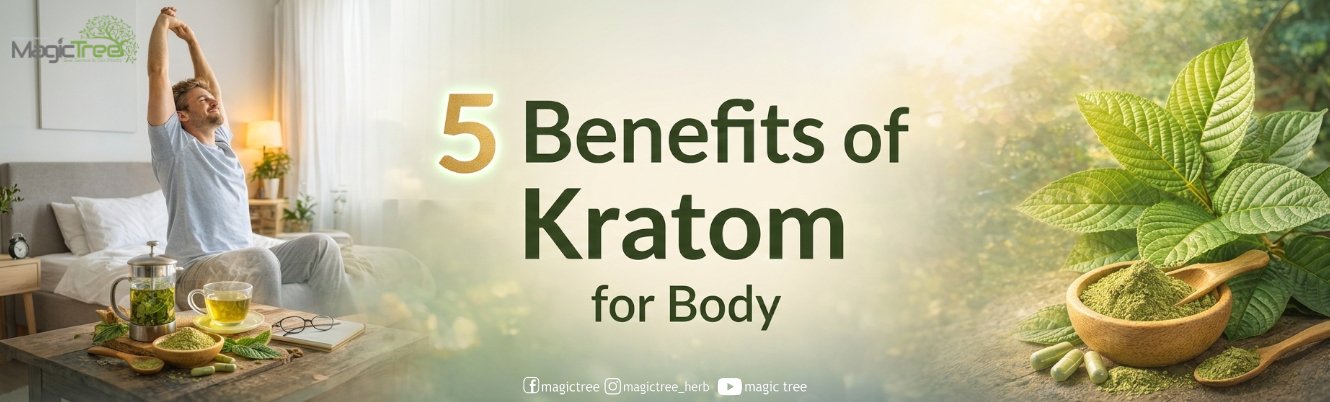
Kratom (Mitragyna speciosa) is a tropical tree native to Southeast Asia, particularly Indonesia, Thailand, and Malaysia. For centuries, its leaves have been used in traditional medicine to relieve fatigue, manage pain, and enhance productivity. In recent years, kratom has gained international attention, sparking debates about its potential health benefits and risks. Advocates highlight its role as a natural alternative for pain relief and mood enhancement, while critics raise concerns about safety and regulation. This article explores five notable benefits of kratom, providing a professional and informative overview of its uses, while acknowledging the complexities surrounding this herbal supplement.
The cultural significance of kratom in Southeast Asia is deeply rooted in daily life. Farmers in Thailand and Malaysia traditionally chewed kratom leaves to combat exhaustion during long hours of labor, while communities brewed kratom tea for pain relief or social rituals. Its dual effects—stimulating in small doses and sedative in larger amounts—made it a versatile plant in traditional medicine.
In the early 2000s, kratom began to attract attention in Western countries, marketed as a herbal supplement for energy, pain management, and even opioid withdrawal support. Its growing popularity has led to increased scientific research, though findings remain mixed. Some studies suggest promising benefits, while others emphasize risks of dependency and adverse effects. Regulatory responses vary worldwide, with some nations banning kratom and others allowing controlled use. Understanding this background helps frame the discussion of kratom’s potential benefits in modern contexts.
1. Pain Relief
One of the most widely recognized benefits of kratom is its potential to alleviate pain. The plant’s active alkaloids, mitragynine and 7-hydroxymitragynine, interact with opioid receptors in the brain, producing analgesic effects. Unlike traditional opioids, kratom’s impact is generally milder, making it appealing to individuals seeking natural alternatives for chronic pain conditions such as arthritis, fibromyalgia, or back pain. Users often report reduced discomfort and improved quality of life, though scientific validation is still ongoing.
2. Energy and Focus
At lower doses, kratom acts as a stimulant, enhancing energy levels and concentration. This effect has long been valued by laborers in Southeast Asia, who used kratom to sustain productivity during physically demanding work. Modern users claim that kratom can improve alertness, motivation, and focus, making it useful for tasks requiring sustained attention. While not a replacement for conventional stimulants, kratom’s natural properties offer an alternative for those seeking mild cognitive and physical enhancement.
3. Mood Enhancement
Kratom is also associated with mood improvement and reduced anxiety. Many users report feeling more relaxed, optimistic, and emotionally balanced after consuming kratom. Its calming effects can help alleviate stress and promote a sense of well-being. In some cases, kratom has been used to manage symptoms of depression or social anxiety, though clinical evidence remains limited. The mood-enhancing properties of kratom highlight its potential as a natural supplement for emotional support, provided it is used responsibly.
4. Support for Opioid Withdrawal
A particularly notable benefit of kratom is its reported ability to ease symptoms of opioid withdrawal. Anecdotal evidence suggests that kratom can reduce cravings, alleviate withdrawal discomfort, and provide a safer transition for individuals recovering from opioid dependence. Some researchers view kratom as a harm-reduction tool, offering a natural alternative to conventional treatments. However, this application remains controversial, as concerns about dependency and misuse persist. More rigorous studies are needed to confirm kratom’s role in addiction recovery.
5. Accessibility and Traditional Value
Kratom’s accessibility is another benefit worth noting. As a natural plant, it has been widely available in Southeast Asia for centuries, serving as an affordable remedy for local communities. Its traditional value extends beyond medicine, playing a role in cultural practices and social interactions. In modern contexts, kratom’s availability as a herbal supplement provides individuals with an alternative to pharmaceutical options, though regulation and quality control remain critical to ensure safety.
Risks and Considerations
While kratom offers potential benefits, it is not without risks. Side effects may include nausea, constipation, dizziness, and dependency with prolonged use
1 Trackback
What is Kratom: History and Risk - Magic Tree Kratom
March 4, 2026 at 12:11 pm[…] the early 2000s, kratom began to gain popularity outside Asia, marketed in Western countries as a herbal supplement. It was […]