
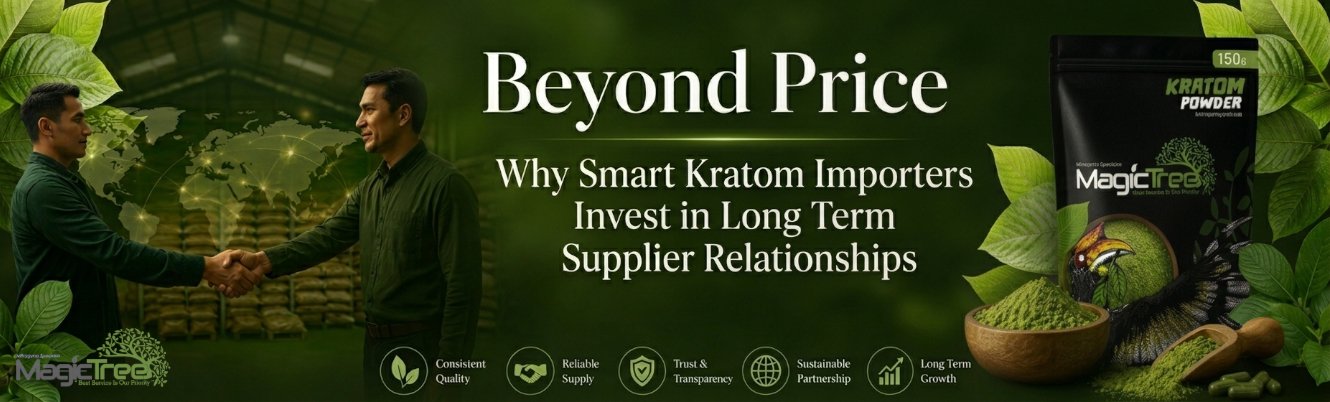
Long-term supplier relationships often provide greater business value than short-term cost savings alone. While competitive pricing remains an important consideration when sourcing kratom products, experienced importers understand that factors such as quality consistency, supply reliability, and effective communication can have a much greater impact on long-term success.
In a competitive global market, choosing the right supplier involves more than comparing quotations. Factors such as communication, operational reliability, and product consistency can significantly influence business performance. For this reason, many successful importers view supplier relationships as a long-term investment rather than a short-term purchasing decision.
Why Price Isn’t the Only Factor in Supplier Selection
While pricing remains an important consideration, focusing solely on the lowest offer can introduce risks that affect long-term business performance. Inconsistent product quality, supply disruptions, delayed shipments, and communication challenges can create additional costs that may outweigh any initial savings. As a result, supplier selection should be evaluated based on overall value rather than price alone.
For kratom importers, a dependable supplier contributes to operational stability and helps reduce uncertainty throughout the sourcing process. Businesses that prioritize reliability, transparency, and long-term supplier relationships are often better positioned to maintain product consistency and support sustainable growth in competitive markets.
Consistent Quality Builds Customer Trust
Consistent product quality is one of the most important benefits of working with a trusted supplier. When quality standards are maintained across multiple orders, importers can provide a more reliable experience for their customers and reduce the risk of complaints, returns, or unexpected product variations.
Over time, consistent quality helps build customer confidence and strengthens brand reputation. This is particularly important in competitive markets, where buyers often rely on dependable products and predictable results. Long-term supplier relationships can support these objectives by creating a foundation for better quality management, clearer expectations, and ongoing collaboration.
Reliable Supply Supports Long-Term Growth
A stable and reliable supply chain is essential for businesses that depend on consistent inventory levels and predictable delivery schedules. Unexpected supply disruptions can affect customer commitments, delay business operations, and create challenges in meeting market demand. For importers, supplier reliability is often just as important as product quality.
Long-term supplier relationships can help improve supply continuity by fostering better planning, communication, and mutual understanding between both parties. When suppliers and buyers work together over an extended period, they are often better equipped to anticipate demand, coordinate production schedules, and respond more effectively to changing market conditions.
Strong Communication Creates Better Partnerships
Effective communication plays a critical role in building successful business partnerships. Importers often require timely updates regarding production schedules, shipment status, documentation, and market conditions. When communication is clear and consistent, both suppliers and buyers can make better decisions and address potential issues before they affect operations.
Strong communication also helps establish trust over time. Suppliers that prioritize transparency and responsiveness are better positioned to support their clients’ evolving needs and expectations. As a result, long-term supplier relationships often become more collaborative, enabling both parties to work toward shared business objectives and sustainable growth.
Long-Term Relationships Can Create Strategic Advantages
Beyond operational benefits, long-term supplier relationships can create strategic advantages that support business growth over time. As suppliers and buyers gain a deeper understanding of each other’s requirements, collaboration often becomes more efficient and productive. This can lead to improved planning, smoother coordination, and a stronger ability to adapt to changing market conditions in an increasingly interconnected global economy.
Long-term partnerships also encourage mutual commitment and trust, which can contribute to more stable business operations. Rather than continuously searching for new suppliers based solely on price, many successful importers focus on building relationships that deliver consistent value, reliability, and long-term business support.
Conclusion
While competitive pricing remains an important consideration, successful sourcing decisions often depend on factors that extend beyond cost alone. Consistent quality, reliable supply, effective communication, and operational transparency all contribute to stronger business outcomes over time. For kratom importers, investing in long-term supplier relationships can help create a more stable supply chain, reduce operational risks, and support sustainable business growth in an increasingly competitive market.