





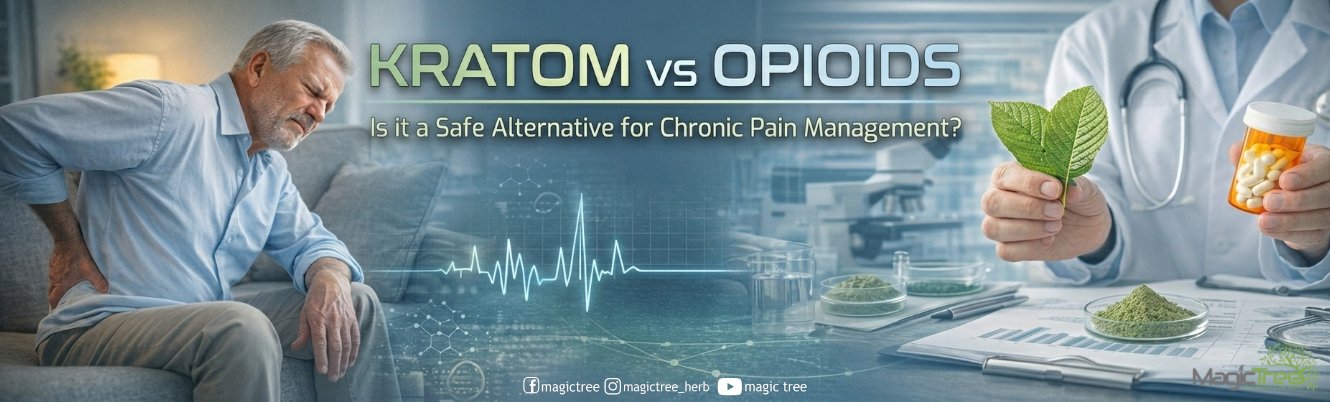
What Are Opioids and Why They Matter
Opioids are a class of drugs often prescribed for pain relief, including prescription medications like oxycodone, hydrocodone, and morphine. While effective for managing severe pain, opioids carry a high risk of addiction, dependency, and overdose. According to global health reports, the misuse of opioids has become a major public health concern, leading to increasing numbers of hospitalizations and fatalities each year.
Opioids work by binding to receptors in the brain and spinal cord, reducing the perception of pain. However, this mechanism also affects mood and reward pathways, which is why prolonged use can lead to tolerance and substance use disorder.
The Growing Opioid Crisis
Over the past two decades, many countries have faced an opioid epidemic. Excessive prescription, combined with illicit opioid availability, has caused millions of individuals to struggle with dependency. Common signs of opioid addiction include:
- Difficulty controlling opioid use
- Experiencing withdrawal symptoms when not using the drug
- Increased tolerance requiring higher doses for the same effect
This crisis has created an urgent demand for safer alternatives that can provide pain relief without the high risk of addiction. One such alternative that has gained attention in recent years is kratom.
Kratom as an Emerging Alternative
Kratom, scientifically known as Mitragyna speciosa, is a tropical plant native to Southeast Asia, particularly Indonesia, Thailand, and Malaysia. For centuries, local populations have used kratom leaves for their stimulating and pain-relieving effects. Today, kratom has become a widely discussed natural option for individuals looking to manage pain while reducing dependency on opioid medications.
Kratom contains alkaloids such as mitragynine and 7-hydroxymitragynine, which interact with opioid receptors in the brain. However, unlike traditional opioids, kratom has a lower risk of respiratory depression, one of the most dangerous side effects of opioid overdose.
Opioid vs Kratom: Pain Relief Comparison
While both opioids and kratom can interact with opioid receptors, there are important differences:
| Feature | Opioid | Kratom |
|---|---|---|
| Potency | High | Moderate |
| Addiction Risk | High | Lower (but not zero) |
| Legal Status | Prescription controlled | Legal in most countries, some regulation |
| Overdose Risk | High | Rare when used responsibly |
| Duration | 4–8 hours (depends on type) | 4–6 hours |
| Side Effects | Nausea, constipation, respiratory depression | Nausea, mild sedation, constipation |
Kratom may be especially appealing to those seeking gradual transition off opioids. Users often report fewer withdrawal symptoms when substituting kratom for prescription opioids, although medical supervision is recommended.
How Kratom Works Differently Than Opioids
Kratom’s alkaloids act as partial agonists at the opioid receptors, which means they activate these receptors more mildly than prescription opioids. This provides pain relief and mild euphoria without the extreme highs and life-threatening respiratory depression often associated with opioid overdose.
Additionally, kratom has stimulating effects at lower doses, which can improve mood and energy—benefits that traditional opioids lack.
Safety Considerations When Using Kratom
Although kratom is often described as a safer alternative to opioids, responsible use is crucial. Key considerations include:
- Start with low doses – The effects vary depending on strain and preparation.
- Avoid mixing with other substances – Combining kratom with alcohol or other sedatives can increase risk.
- Choose reputable suppliers – Quality control is essential to avoid contamination or adulteration.
- Monitor for dependency – While kratom has lower addictive potential than opioids, long-term use may lead to mild dependency.
By following these guidelines, kratom can be used as a harm reduction tool for those struggling with opioid use.
The Role of Kratom in Opioid Harm Reduction
Several studies and anecdotal reports suggest that kratom may help individuals reduce or taper off opioids. Because kratom produces milder opioid-like effects, it can be used to gradually decrease the reliance on stronger opioid medications. In countries where opioid misuse is high, kratom is increasingly being explored as a supplementary tool for managing withdrawal symptoms.
Legal Status of Kratom Compared to Opioids
- Opioids are strictly controlled and require a prescription. Misuse is illegal.
- Kratom legality varies by country and region. In Indonesia and much of the United States, it is legal for adults. Some countries, such as Australia and Thailand, have restricted or regulated its sale.
It is essential for users to check local laws before purchasing or consuming kratom.
Conclusion
The opioid crisis has made finding safer alternatives more urgent than ever. Kratom offers a potential natural solution for pain relief, harm reduction, and even support during opioid tapering. While it is not entirely risk-free, kratom’s lower overdose potential, moderate dependency risk, and traditional usage history make it an important option for individuals seeking alternatives to conventional opioids.