
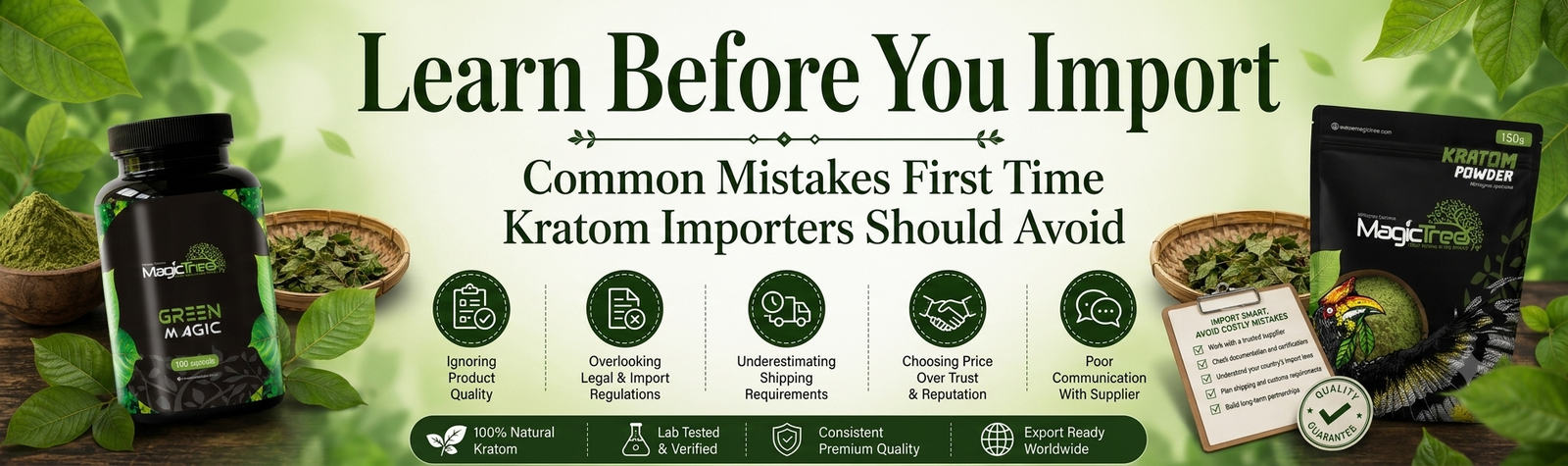
Kratom import mistakes can lead to unnecessary delays, unexpected costs, and supply chain disruptions, especially for businesses placing their first bulk order. While finding the right supplier is an important first step, successful importing also requires careful planning, clear communication, and an understanding of the international trade process. This guide highlights the most common mistakes first-time importers make and how to avoid them, helping you make more informed sourcing decisions and build a stronger foundation for long-term business success.
Choosing a Supplier Based Only on Price
One of the most common kratom import mistakes is choosing a supplier based solely on price. While cost is an important consideration when sourcing bulk kratom, it should never be the only factor influencing your decision. Focusing solely on the lowest quotation can lead to inconsistent product quality, communication issues, or unexpected challenges during the export process.
A competitive price should be evaluated alongside factors such as the supplier’s business credibility, quality standards, export experience, and ability to support long-term business needs. Looking at the overall value rather than the initial cost helps reduce sourcing risks and creates a stronger foundation for future orders.
For first-time importers, choosing the right supplier is an investment in business stability, not simply a way to reduce purchasing costs. A reliable supplier can help minimize disruptions and support more consistent operations as your business grows.
Also Read: Sustainable Harvesting: Preserving the Rainforest And Supporting Local Communities
Overlooking Import Requirements in Your Target Market
Another common kratom import mistakes is overlooking the import requirements in your target market. Import regulations can vary significantly between countries, and assuming that the same rules apply everywhere can create unnecessary delays and additional costs.
Before placing a bulk order, verify the regulations that apply in your destination country. This includes understanding import requirement, required documentation, customs procedures, and any compliance requirements that may affect product clearance.
Working with an experienced supplier can help simplify the export process, but importers should also take responsibility for understanding their own market’s requirements. Being well prepared before shipment reduces the risk of delays, additional costs, and unexpected complications at the border.
Skipping Product Verification Before a Bulk Order
Skipping product verification is another kratom import mistakes that can lead to costly purchasing decisions. Marketing materials and product descriptions can provide useful information, but they should not replace a proper evaluation of the product itself.
Whenever possible, request product samples before making a larger purchasing commitment. Comparing samples allows you to assess consistency, discuss quality expectations with the supplier, and determine whether the product aligns with your business requirements.
If laboratory testing is important for your market, discuss testing requirements early in the sourcing process. Clarifying these expectations before production helps reduce misunderstandings and ensures both parties have a clear understanding of the quality standards required.
Underestimating Lead Times and Logistics
Many first-time importers focus on the purchase itself but pay less attention to the time required to prepare, ship, and receive a bulk order. Without proper planning, unexpected delays can disrupt inventory levels and affect customer commitments.
Before confirming an order, discuss estimated production timelines, shipping schedules, and the responsibilities of each party throughout the export process. Having clear expectations helps reduce misunderstandings and makes it easier to plan inventory and business operations.
Allowing extra time for production, transportation, and customs clearance can also help minimize the impact of unexpected delays. A realistic timeline is often more valuable than an optimistic delivery estimate that may not be achievable.
Failing to Establish Clear Communication
Clear communication is essential throughout the sourcing process, yet it is often overlooked by first-time importers. One of the most common kratom import mistakes is assuming that both parties share the same expectations without discussing important details in advance.
Before placing a bulk order, confirm product specifications, order quantities, production timelines, packaging requirements, and shipping arrangements with your supplier. Documenting these details helps reduce misunderstandings and ensures both parties are aligned before production begins.
Strong communication is not only about solving problems when they arise but also about preventing them. Establishing clear expectations from the beginning creates a more efficient purchasing process and supports a stronger long-term business relationship.
Also Read: Why West Borneo (Kalimantan) Produces The World’s Highest Quality Kratom
Conclusion
Avoiding common importing mistakes is just as important as choosing the right supplier. Careful planning, product verification, regulatory awareness, and clear communication all contribute to a smoother sourcing process and help reduce unnecessary risks.
For first-time importers, taking the time to prepare before placing a bulk order can lead to better purchasing decisions and more reliable business operations. Building a successful import business is not about avoiding every challenge, but about making informed decisions at each stage of the process.
If you’re looking for an experienced bulk kratom supplier, Magic Tree Kratom is committed to transparent communication, consistent quality, and professional export support. Contact our team to discuss your sourcing requirements and learn how we can help support your business.